Eat Your Feelings

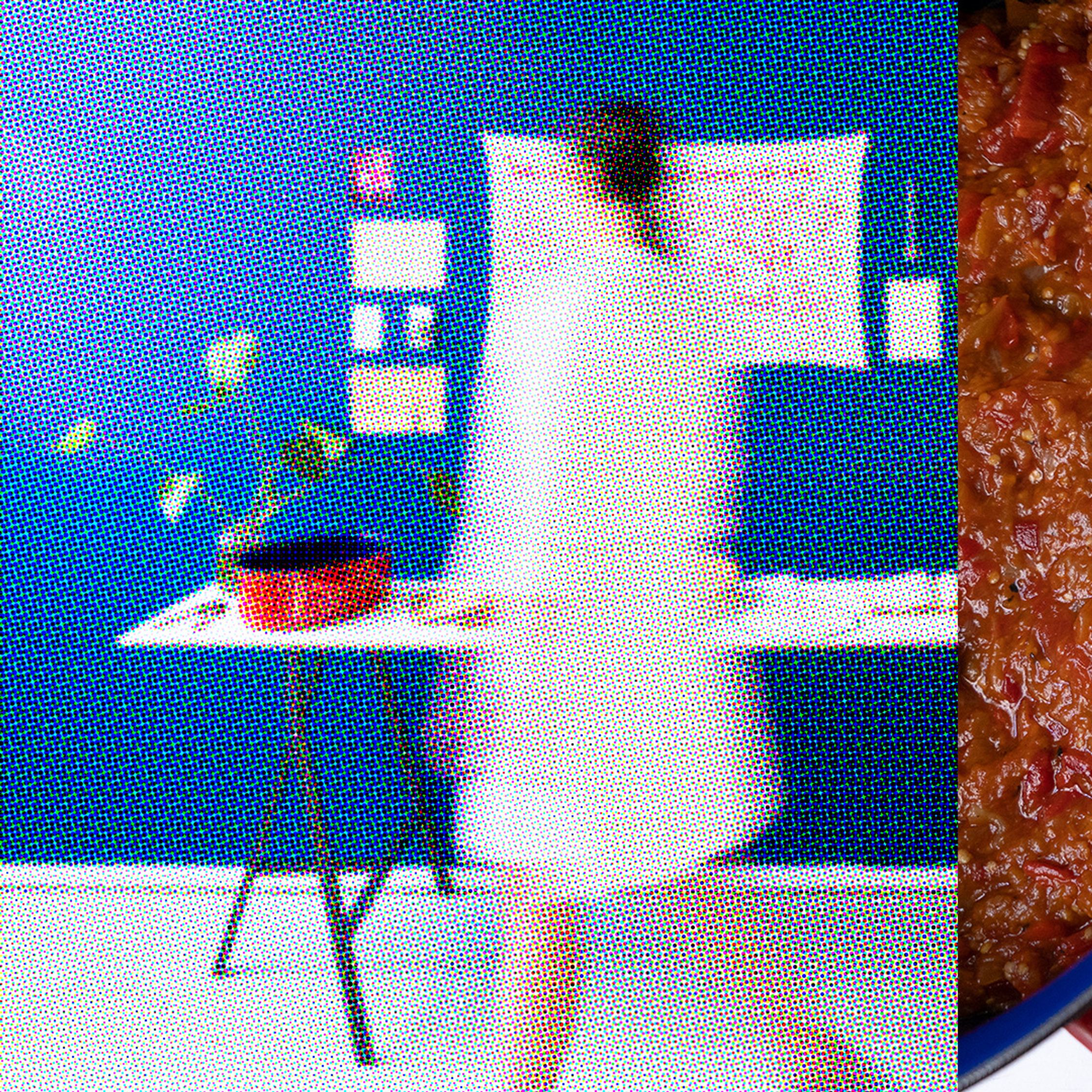
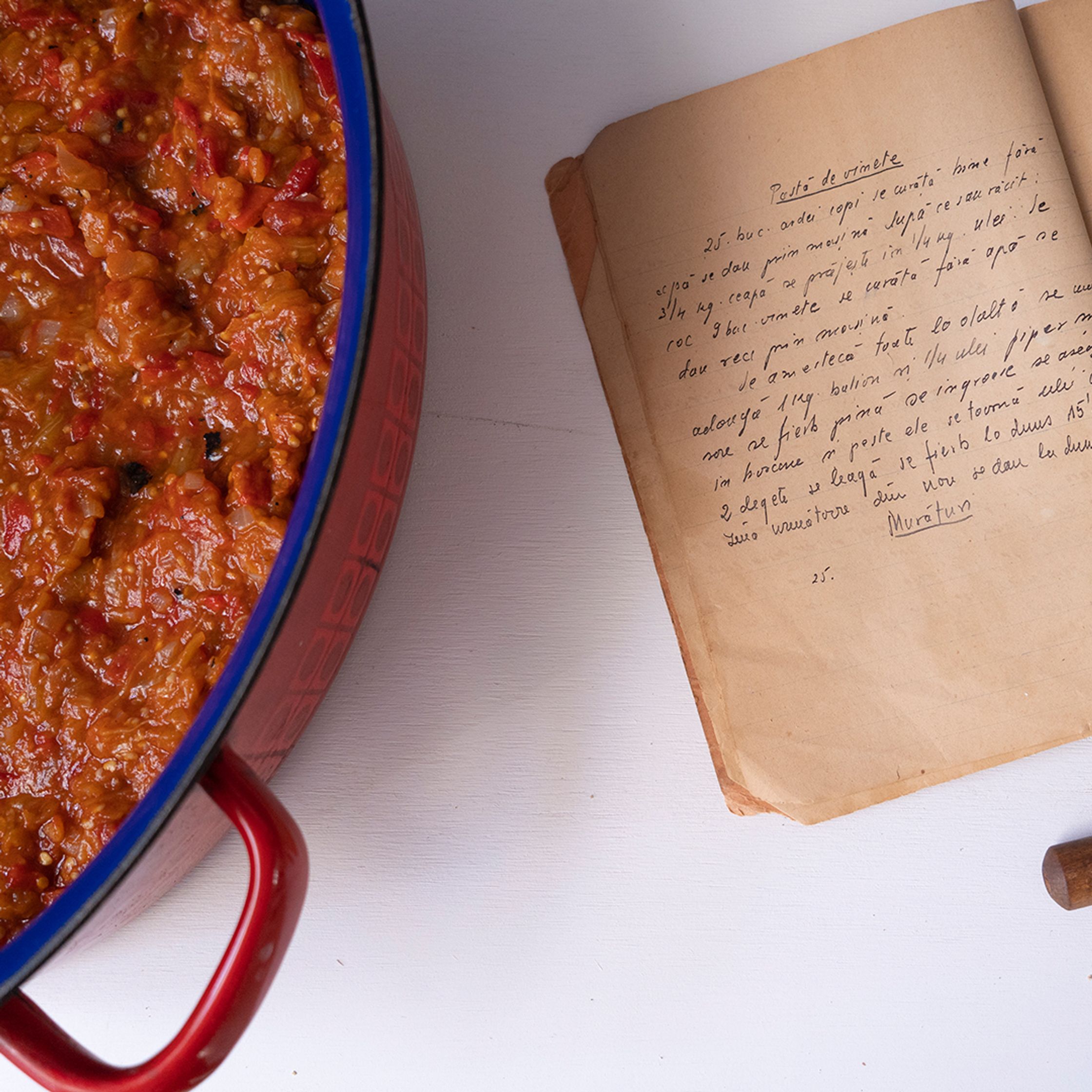
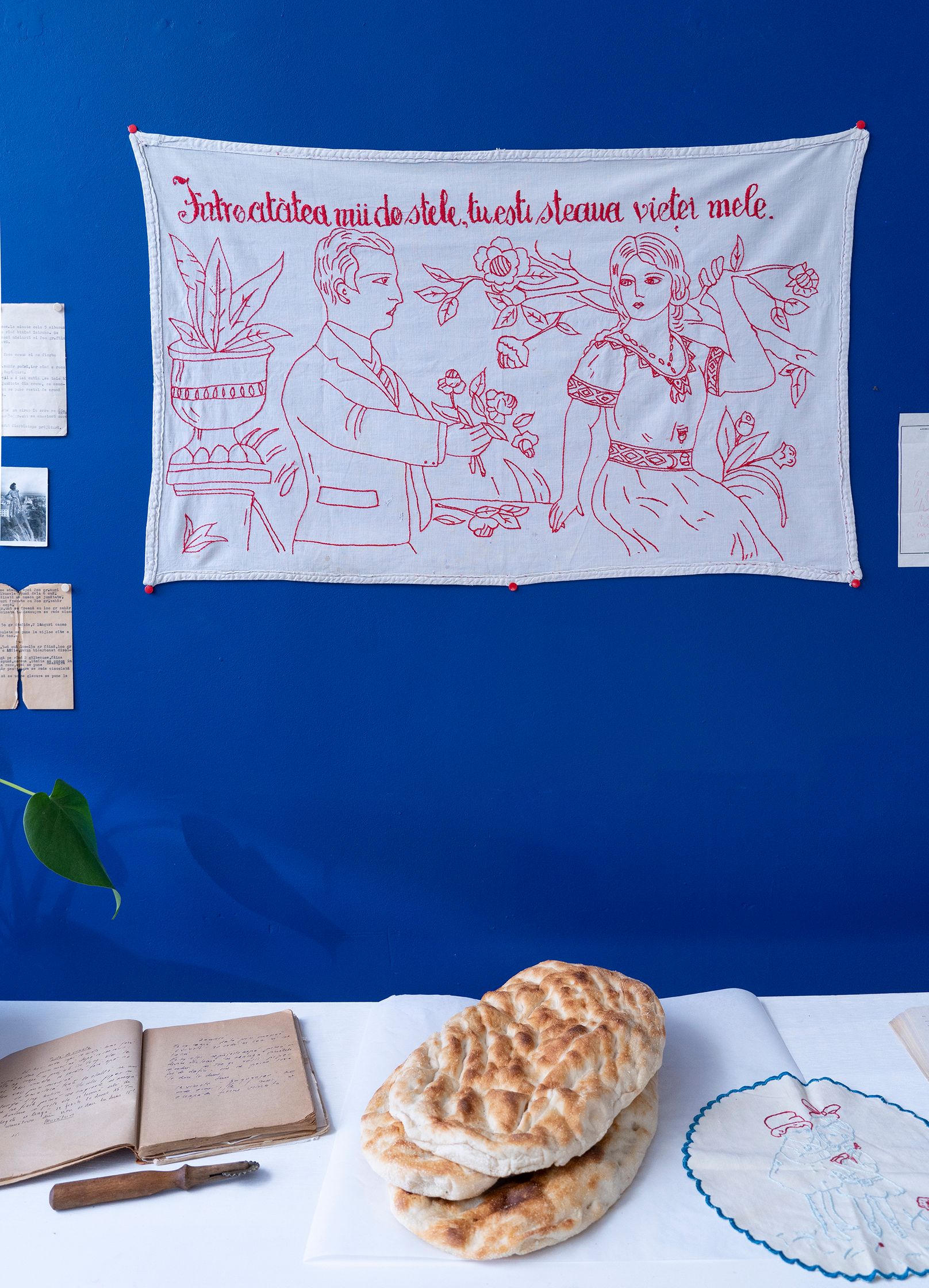
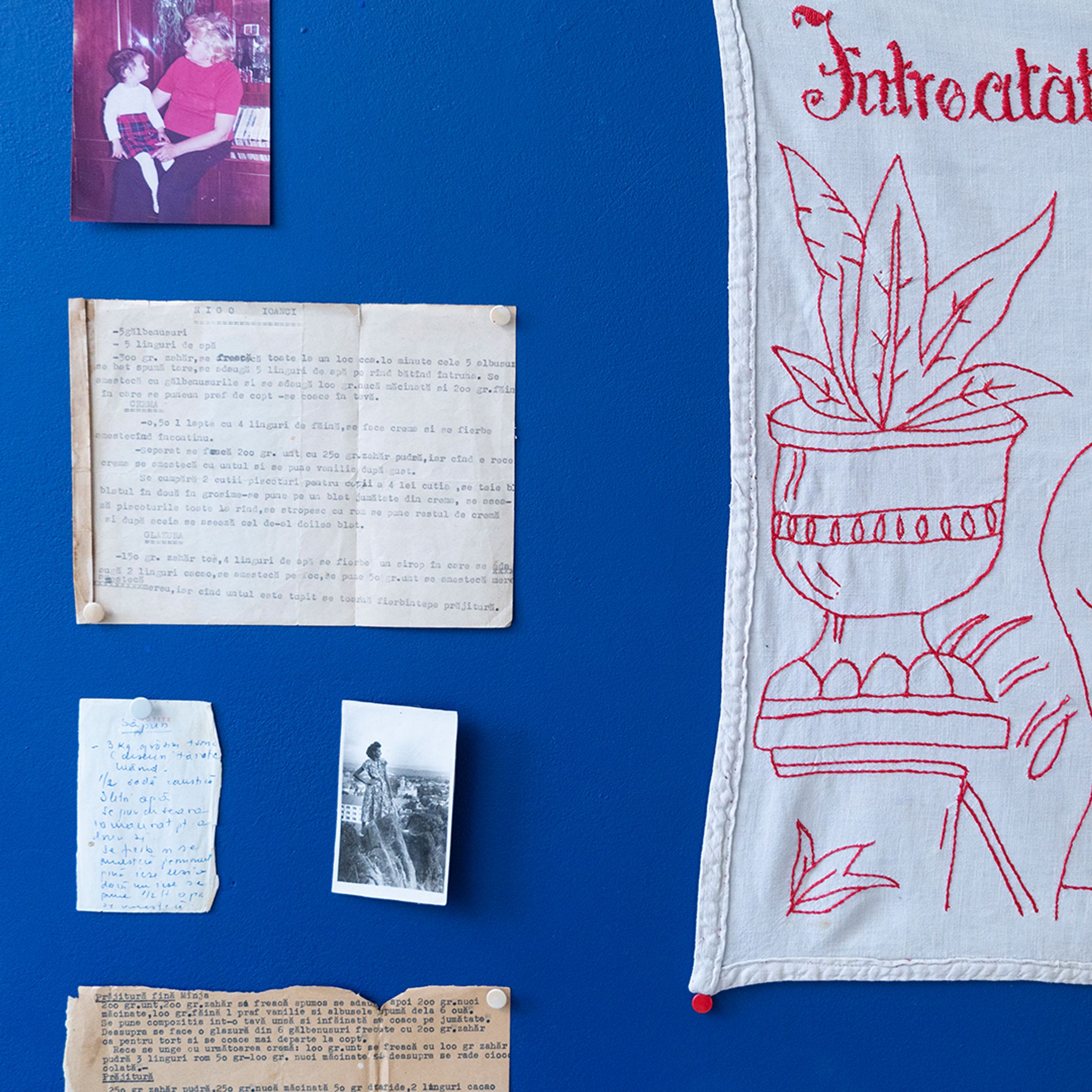
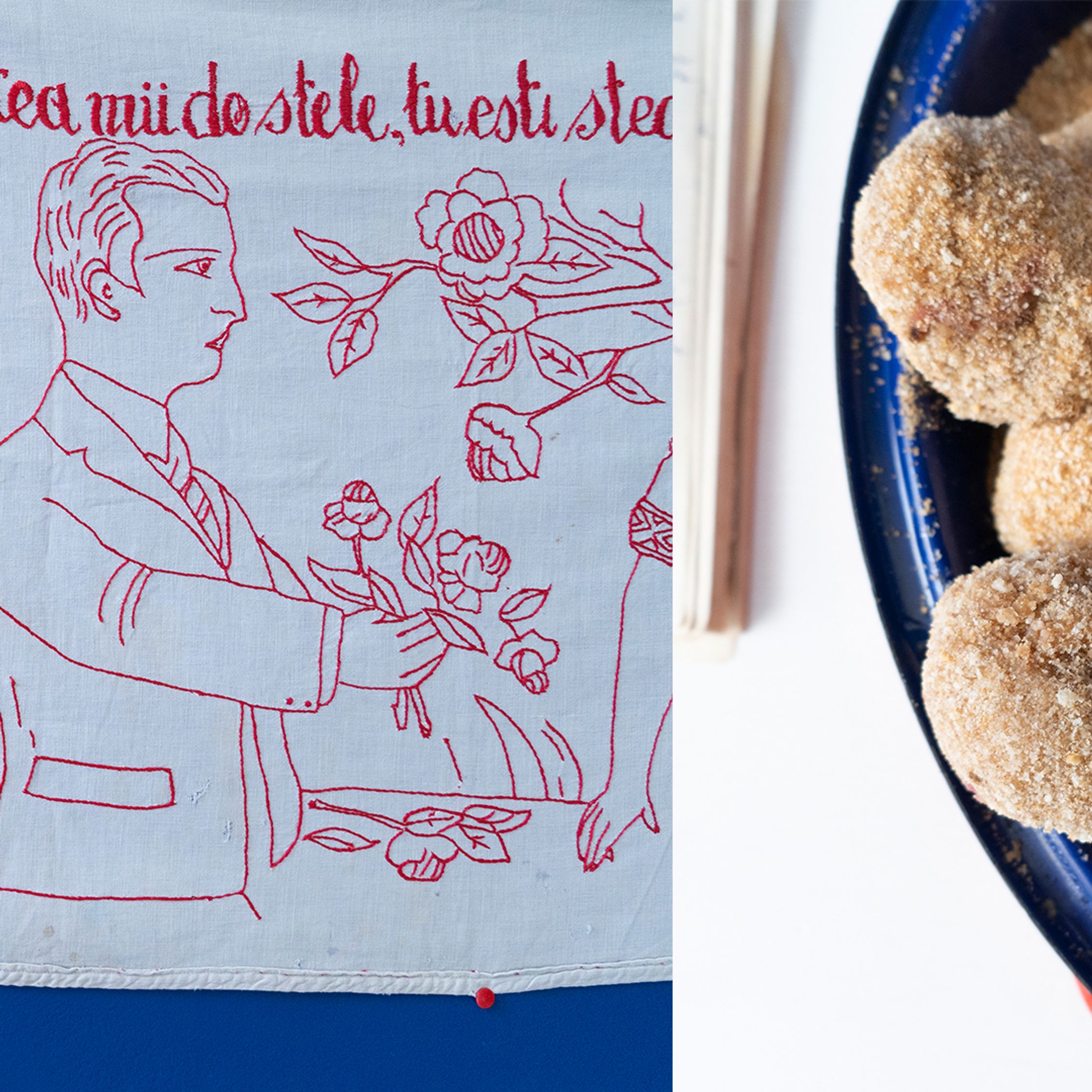
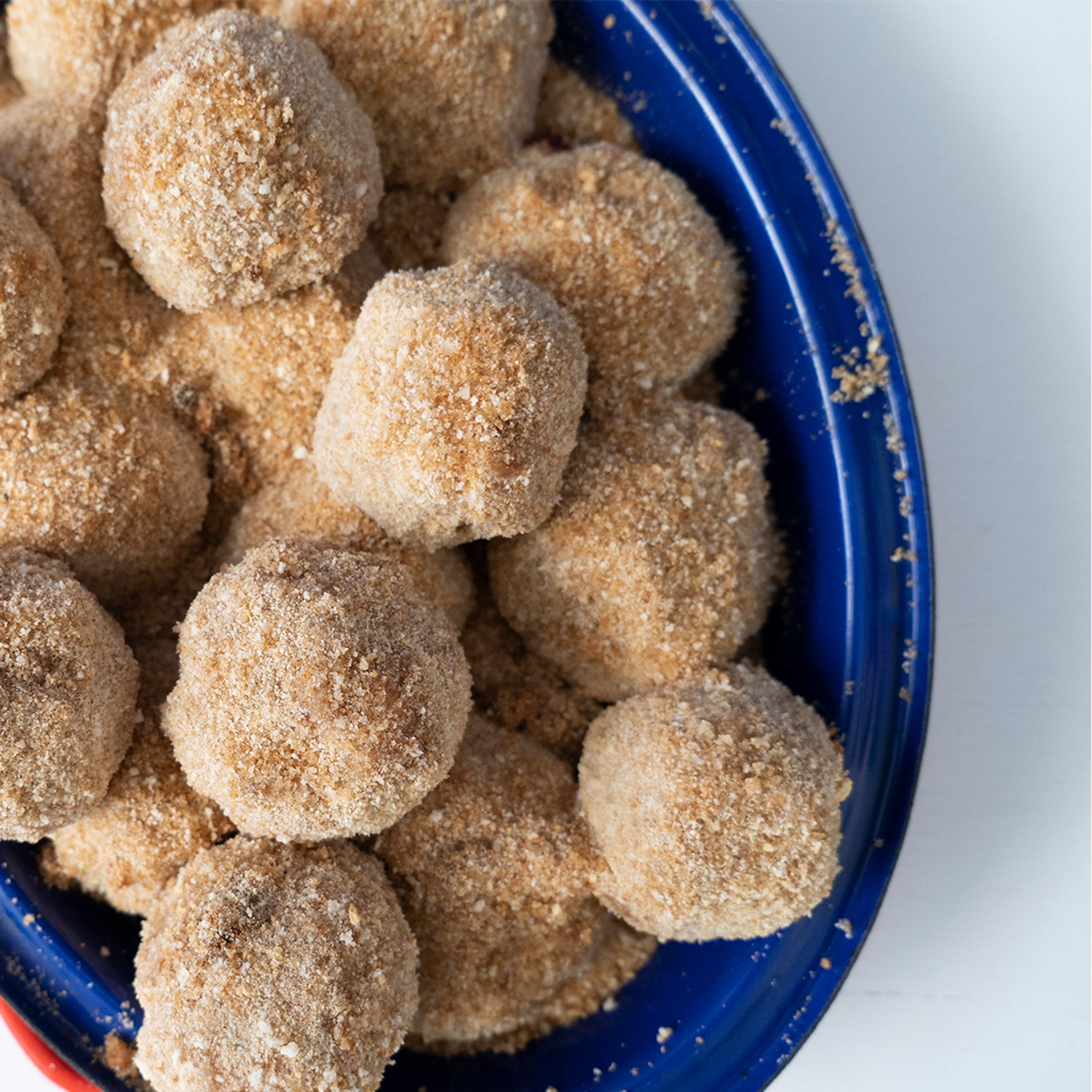
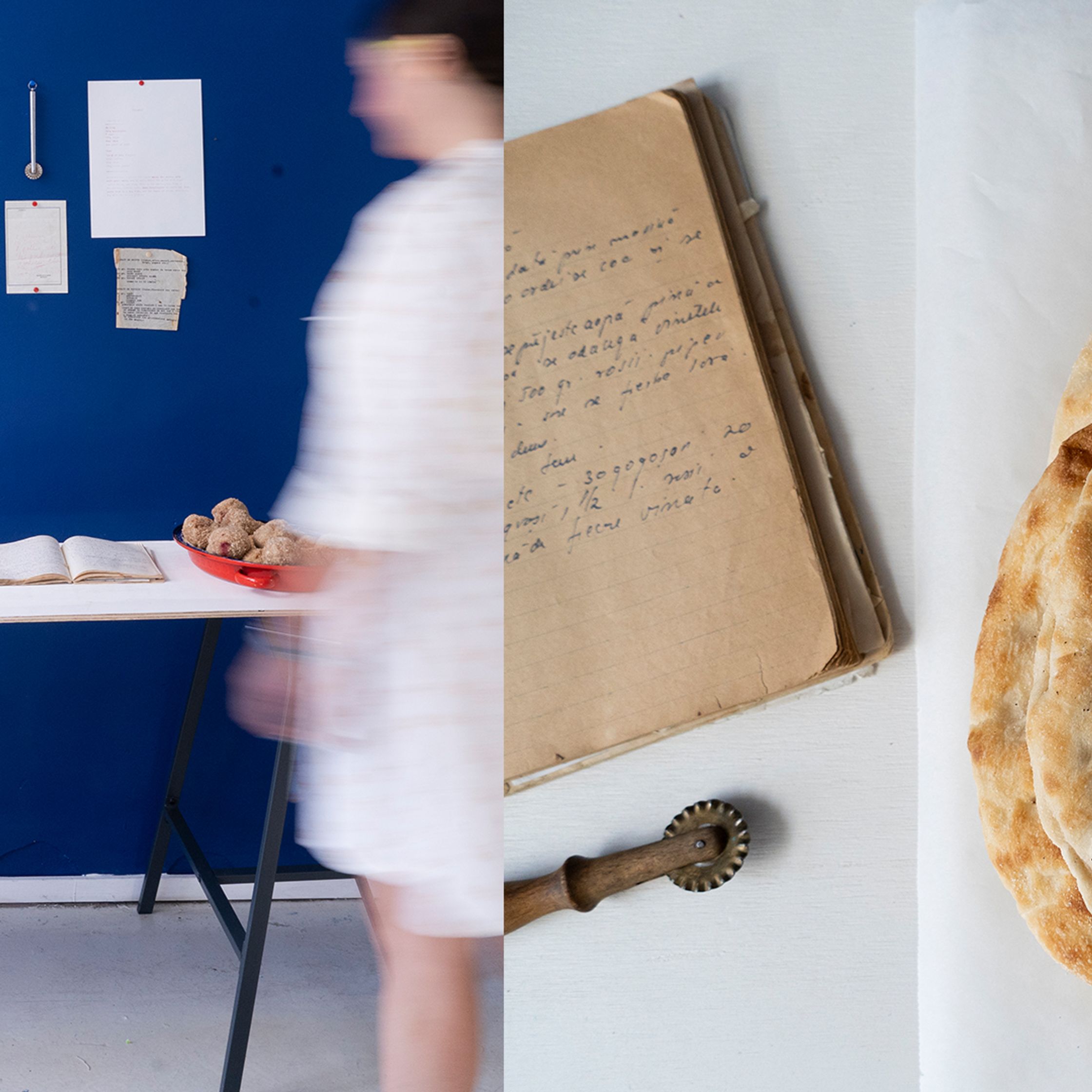
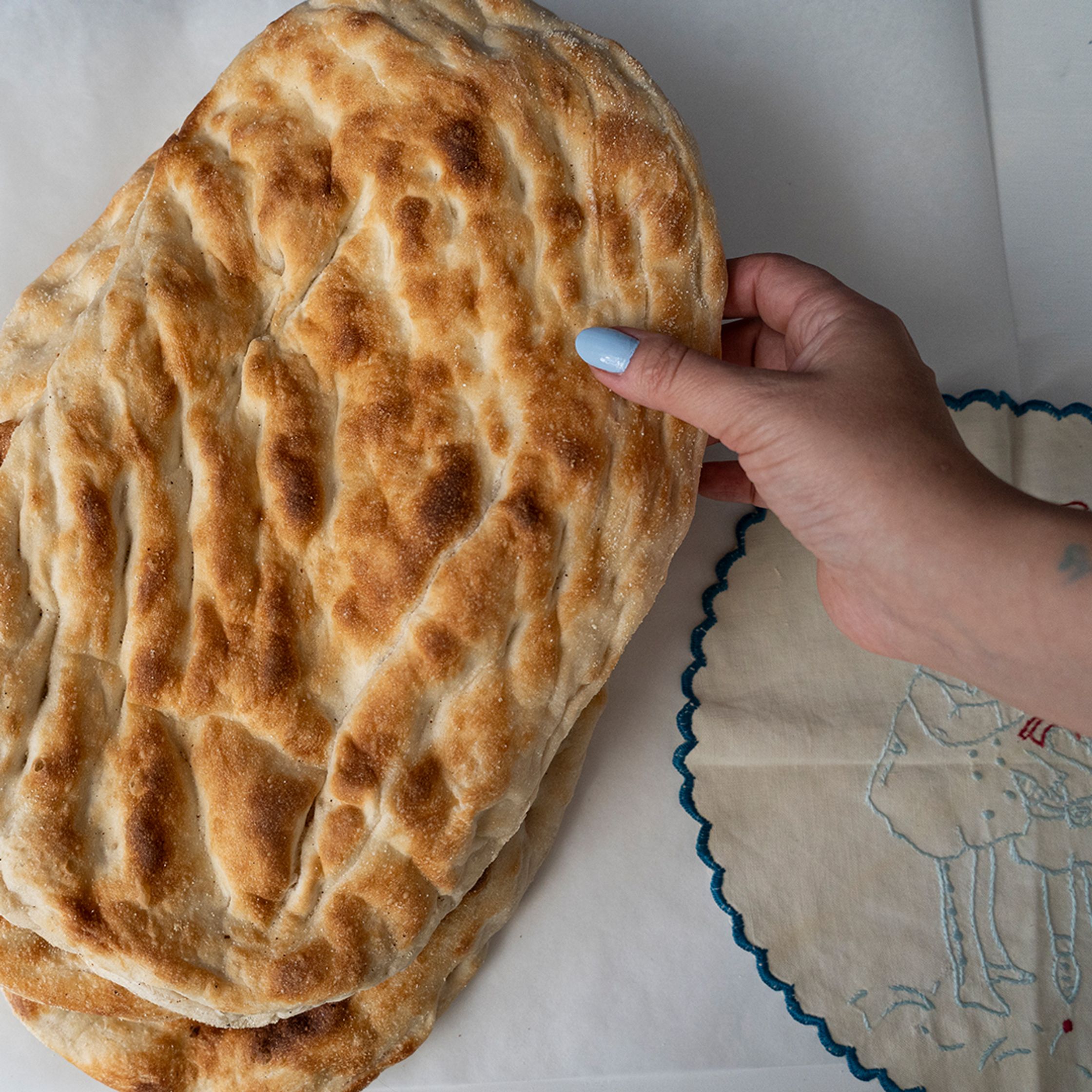
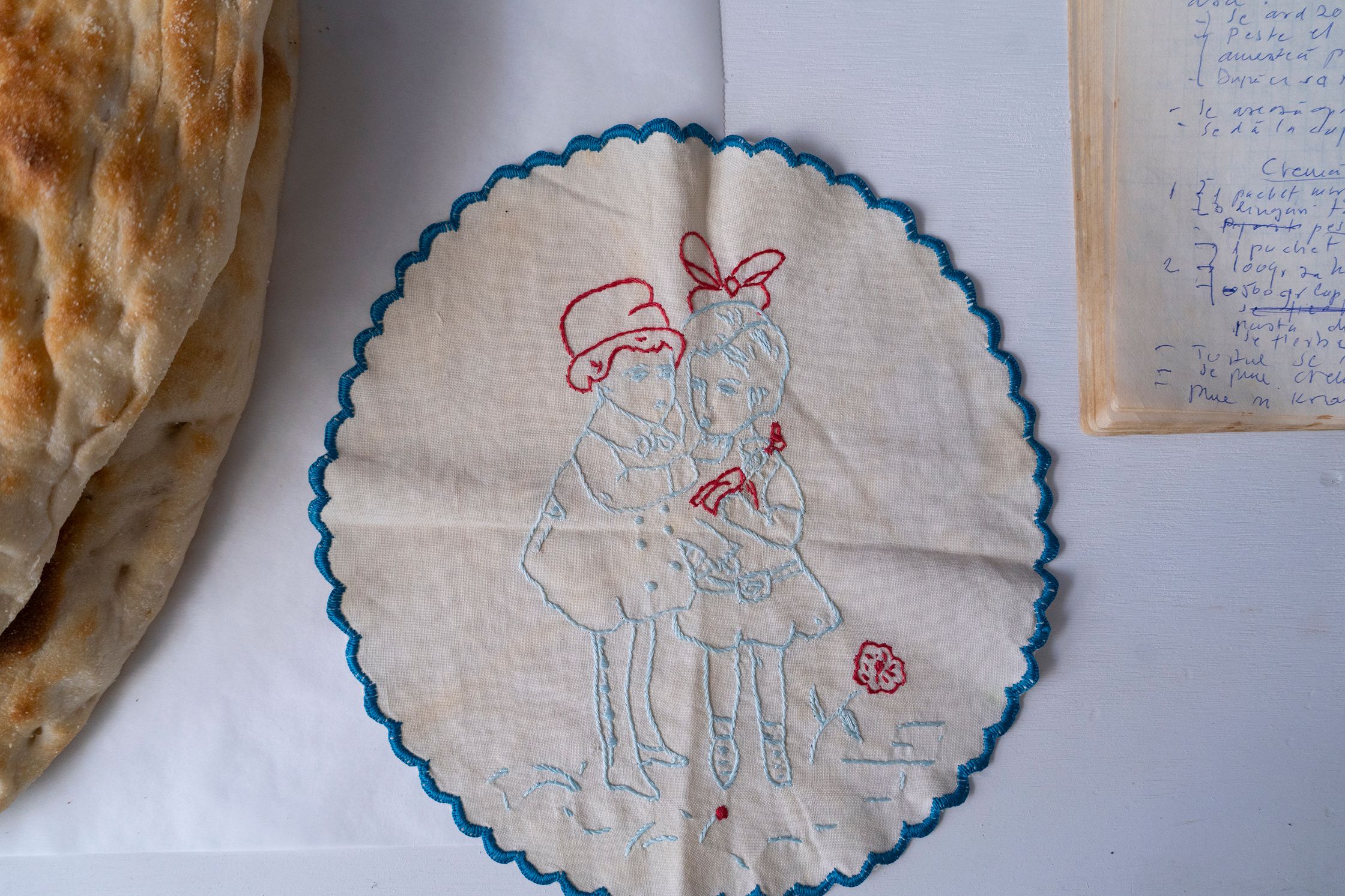
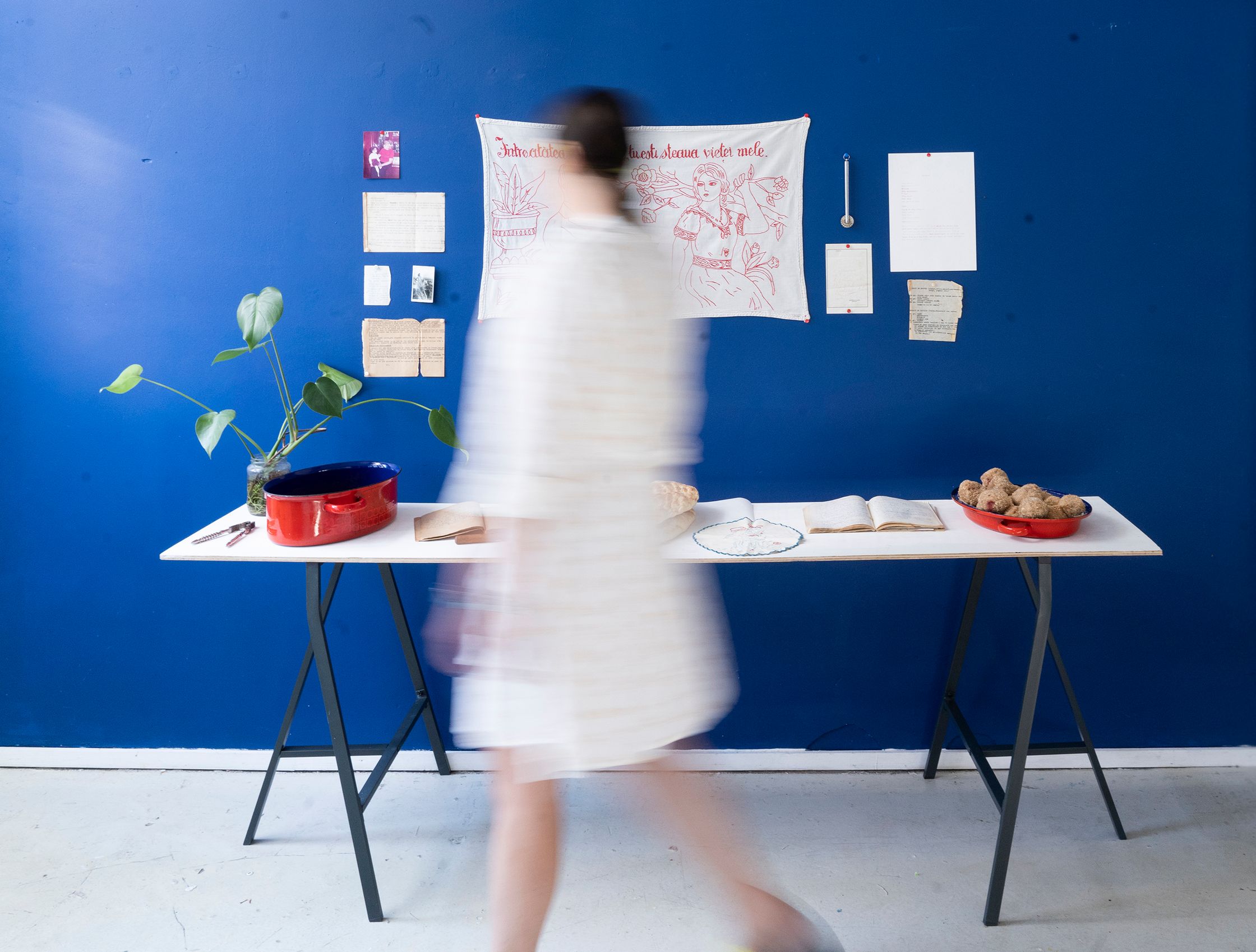
Presented during Groot Rotterdams Atelier Weekend in order to test out my cooking fantasies and mark more than three years since my grandmother left behind her cooking notebooks, a common Eastern European way of passing food heritage from homemaker to homemaker by hand-written recipes, sometimes typed or scribbled on hospital leave notes, bits of envelopes or old dictando school notebooks. The last part of the chaos is to be fair mainly typical of my family but the keynote of these notebooks is that you need to know your way around the kitchen in order to be able to reproduce anything from it as the information is scarce and often leaves room to the imagination. So I took to exploring these writings, adding my own brutally concise recipes, comparing them with the old ones and ultimately preparing a couple of dishes. This exploration will ultimately lead me to a deeper research into the particularities of this legacy and how it’s transmitted in my part of the world, as I’ve mainly discovered that it mirrors a lot of the nature of the inherent transgenerational trauma and is laced with names of women and their various takes & interpretations on the same dishes. But for now, out of these notebooks came Zacuscă - an autumn staple in our pantries - a relish based on charred eggplants, red peppers & onions, coming with a heavy Turkish influence, served with freshly baked flatbreads made by the local Turkish baker at ISANBUL in Rotterdam Noord. And for dessert Gombți - a potato gnocchi-like dough covering a whole plum stuffed with sugar & cinnamon and fully dressed in a sugar/cinnamon/salt/panko coating. This one is common in Slovenia, Hungary and Poland (as my friends tell me) and I fully “blame” on the Austro-Hungarian influence in Transylvania, for our (Romanian) part in the matter.
photos: YP Wang